

A Comprehensive Guide to Launching Your Career
Becoming a real estate agent goes beyond just obtaining your license. While having a license is crucial, building a thriving business entails acquiring the skills to generate leads, develop business plans, handle clients, and establish an effective marketing strategy. Join us as we delve into the process of becoming a real estate agent and discover valuable advice and resources to guide you on this exciting new career path.
1.What Does It Means to Be a Real Estate Agent?
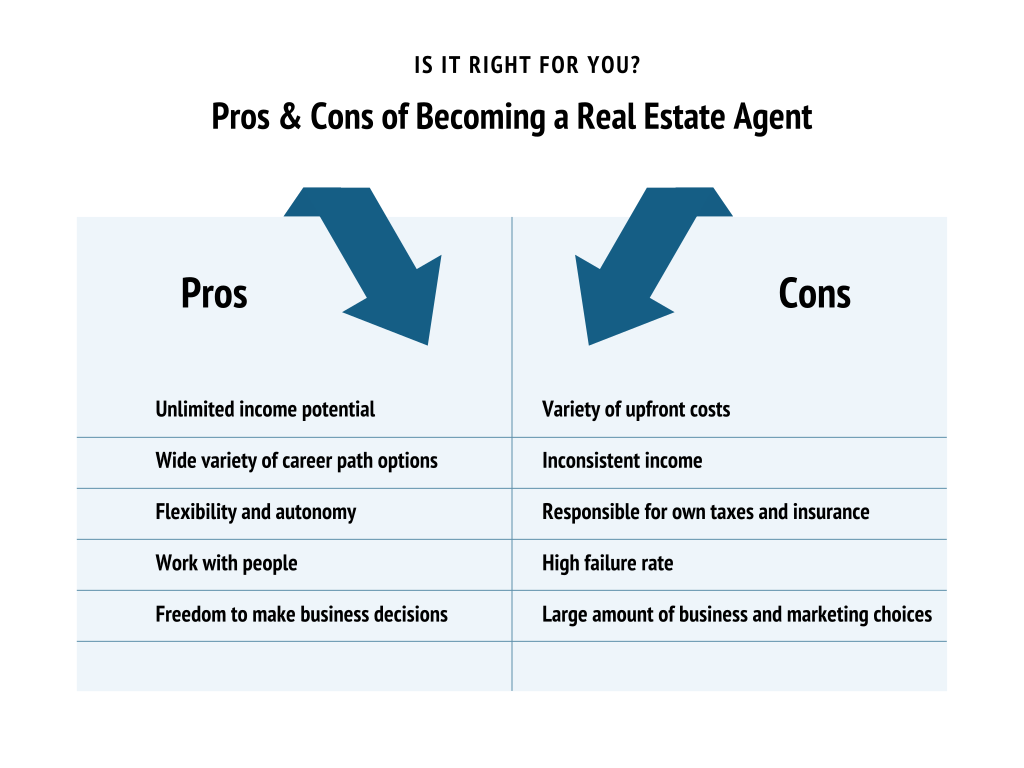
Before embarking on a profession as an agent, it is important to evaluate whether it is the most suitable career path for you. Opting to become an independent real estate agent presents an enticing career opportunity that offers limitless earnings, flexibility, and independence.
However, it is crucial to note that real estate agents do not have a guaranteed income or insurance, and it can take new agents several months to achieve their first successful transaction. Prior to delving into the necessary steps to become a real estate agent, it is advisable to carefully consider the advantages, disadvantages, and the primary reasons why real estate agents often face failure. This will ensure that you are adequately prepared for this profession.
Costs of Becoming a Real Estate Agent
Becoming a real estate agent requires preparation for an unpredictable income. Consider the amount of money you aim to earn and how much you plan to reinvest in your business. The salary of a real estate agent is not stable or guaranteed, especially in the initial stages of entering the industry. As most brokerage firms operate on a commission-based structure, there may be months where your earnings fluctuate.
Plus, there are many upfront costs when learning how to become a real estate agent. These include:
- Prelicensing courses: Ranging from $119 to $1,599
- Exam fees: Ranging from $70 to $530
- Office expenses: Ranging from $50 to $2,500
- Insurance: May cost between $500 and $1,000 per year
- Coaching or training: May cost between $500 and $2,000
- Professional memberships or associations: The National Association of Realtors (NAR) has an annual fee of $150
- Multiple Listing Service (MLS): Can range between $20 and $50 per month
- Marketing materials: Recommended to pay about 10% of your gross commissions
Furthermore, many agents discover that utilizing real estate tools and software proves highly advantageous for their profession, despite the associated expenses. Additionally, there will be supplementary costs to consider such as travel, vehicle upkeep, internet fees, and an unrestricted mobile service plan.
2. Acquire a Real Estate License
Once you have established your certainty in real estate sales being a suitable career path for you, it becomes essential to familiarize yourself with the prerequisites for becoming a licensed real estate agent. To lawfully offer real estate services to both buyers and sellers, obtaining a real estate license is imperative. Each state has its own set of criteria for individuals aspiring to become real estate agents, encompassing variables such as the number of prelicensing hours, legal qualifications, examination format, and the application procedure.
3. Set Up Real Estate Business Tools
Becoming a real estate agent goes beyond simply adding the title to your resume once you’ve obtained your license. It entails a multitude of steps and responsibilities. As an agent, you will engage in various daily tasks such as communicating with clients, facilitating transactions, generating leads, managing your schedule, strategizing for your business, and developing marketing materials. Although your real estate broker may offer some resources and support, there are numerous additional tools available to aid in your journey towards success.
Real Estate Business & Marketing Plan
Becoming a real estate agent may seem straightforward when reading about it, but the process can become overwhelming once you have obtained your license. However, by developing a well-thought-out business plan, you can establish specific objectives and assess various aspects of your business. This will not only provide clarity on the next steps to take but also expedite your income generation. Your comprehensive business plan should encompass the following elements:
- Mission statement
- SWOT analysis to analyze the strengths, weaknesses, opportunities, and threats
- Specific and measurable goals
- Marketing strategies
- Lead generation strategies
- Income goal
- Time to revisit your plan
In addition to developing your business plan, it is essential to craft a comprehensive real estate marketing strategy. This will provide a clearer outline of your marketing objectives, budget, and competition, enabling you to devise a targeted plan for accomplishing each goal.
Lead Generation Strategy
Mastering the art of generating leads is crucial for anyone aspiring to become a successful real estate agent and establish a lucrative business. Leads can be acquired through various means, such as purchasing them or organically generating them from your network of friends, family, and acquaintances (commonly referred to as your sphere of influence), as well as leveraging social media platforms and word-of-mouth referrals. As you develop your skills as a real estate agent, it is essential to consistently cultivate and capitalize on real estate referrals to build a solid and loyal client base.
Client Relationship Management (CRM) System
An essential asset for those aspiring to become real estate agents is a CRM system. Initially, you might believe that a spreadsheet is sufficient for organizing your contacts and follow-ups. However, as you continuously generate leads and nurture existing clients, relying solely on a spreadsheet will not be enough to prevent valuable relationships from slipping through the cracks.
Fortunately, there are CRM software tools available that allow you to efficiently manage all of your clients in one central location. The primary purpose of these CRMs is to organize your client contacts and facilitate consistent communication through various channels such as email, text messaging, and phone calls. Similar to lead generation tools, there are both free options like HubSpot and Freshsales, as well as paid versions, each offering different features that can enhance client management.
Marketing Materials
Once you have formulated your real estate business and marketing strategies, it is essential to equip yourself with high-quality marketing materials to ensure success. It is ideal to begin by establishing a robust real estate brand, incorporating elements such as a logo, headshot, and brand colors. Whether in print or digital form, all materials should prominently feature your branding elements, fostering trust and familiarity with your intended audience.
These are some of the crucial marketing materials that agents in the real estate industry must have:
- Personalized business cards
- Active presence on social media platforms
- A well-designed real estate website and captivating landing pages
- Strategic advertisements targeting potential clients
- Eye-catching open house signs
4. Get Educated on the Real Estate Market
As you progress through the process of becoming a real estate agent, it is crucial to engage in continuous research and stay updated on the housing market. While some prelicensing coursework may touch on this topic, it is your duty to develop a comprehensive grasp of how the market operates, stay informed about current issues, and make predictions for the future. Being able to have meaningful conversations about these matters with both existing and prospective clients will demonstrate your expertise and offer valuable guidance during their transactions.
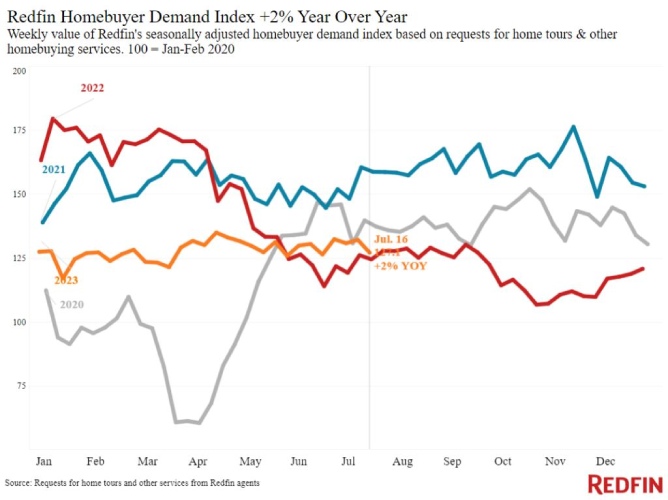
To gain knowledge about the housing market, it is advisable to frequently peruse real estate publications and blogs such as RealTrends, Keeping Current Matters, and Inman. It may also be beneficial to analyze current data in comparison to past trends. This approach will enhance your comprehension of how real estate patterns evolve over time and enable you to make informed predictions about the future housing market.
5. Build a Successful Real Estate Career
After gaining the knowledge and skills required to become a real estate agent, developing comprehensive business and marketing strategies, and establishing the essential operational mechanisms, you are well on your path to achieving success in the real estate industry. The crucial factor lies in maintaining consistency and constantly enhancing these tools by incorporating innovative approaches to generating leads and promoting your services, building connections with fellow professionals in the field, and proactively seeking further education and supplementary resources.
Bottom Line
Obtaining your real estate license is just the initial stage in pursuing a career as a real estate agent. While having a valid license is necessary for conducting transactions, there are several other crucial aspects involved in becoming a true professional in the field of real estate. These include lead generation, marketing strategies, creating business plans, and acquiring in-depth market knowledge. By adhering to these guidelines, you increase your chances of achieving success as a real estate agent.
“Failure is the condiment that gives success its flavor.”
— Truman Capote